

A new crack in a foundation wall can stop a homeowner in their tracks. One day the wall looks normal. The next day there's a line running across the concrete, or a slight inward bow that didn't seem to be there before. In Dallas and San Antonio, that kind of change gets attention fast because Texas clay soils don't stay still for long. They swell when wet, shrink when dry, and keep pushing and pulling on a home year after year.
For many homeowners, the first question is simple. Is this cosmetic, or is the wall moving?
That's where carbon fiber wall reinforcement often enters the conversation. It's a modern repair method used to strengthen certain bowed or cracked walls from the inside, without the heavy look of old steel braces across the room. For the right wall, it can be a clean and practical option.
Homeowners who are still sorting out whether movement is coming from the foundation, drainage, or moisture under the slab may also want a basic outside resource on signs of a slab leak, since water under or around a home can sometimes create overlapping warning signs. For broader early warning clues, this Texas homeowner foundation issue guide can help homeowners connect wall cracks, floor changes, and drainage patterns.
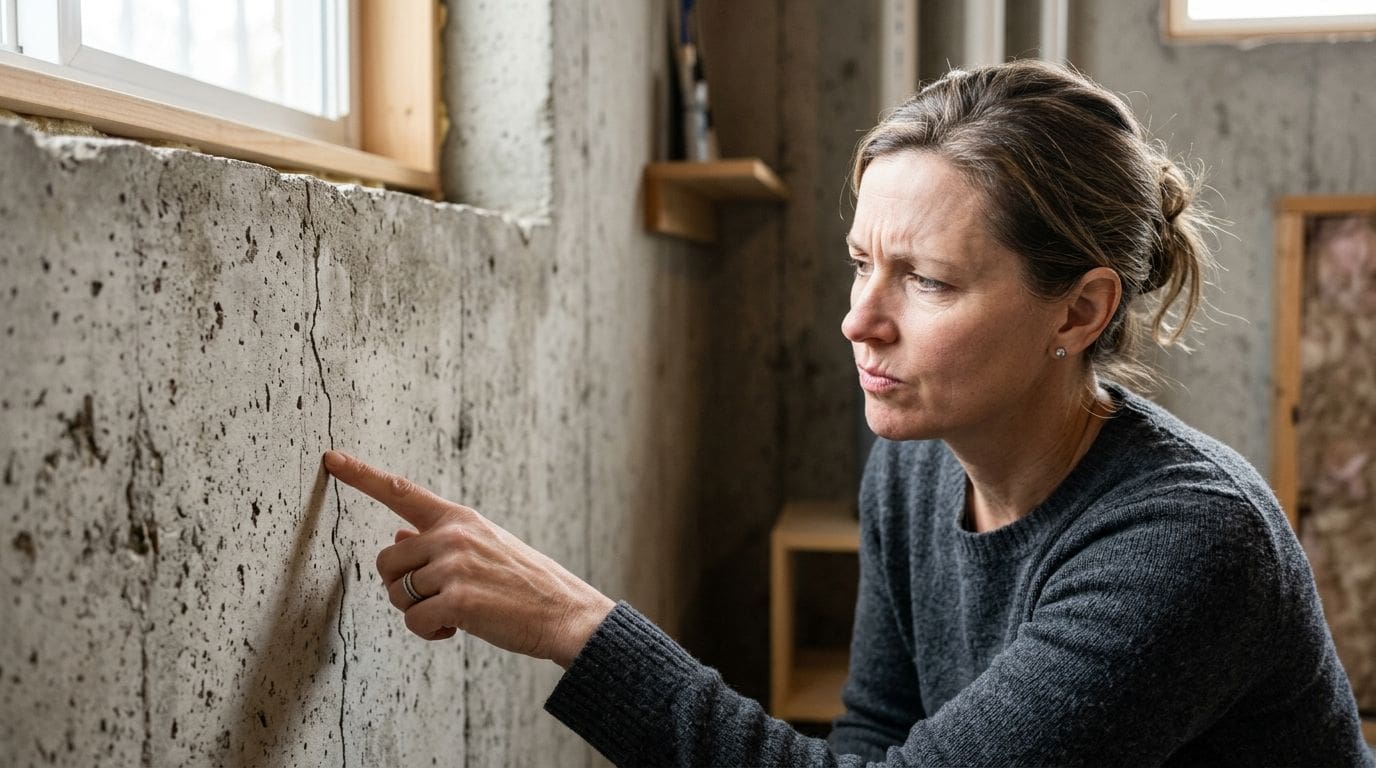
Table of Contents
Introduction When You Notice a Crack in Your Foundation Wall
A homeowner in North Texas usually doesn't call about a wall crack because it looks ugly. The call comes because the crack seems new, or longer, or paired with a wall that feels slightly out of line. That's when worry sets in. If the wall is moving inward, people want to know whether the whole house is in danger.
In Dallas and San Antonio, expanding and shrinking clay can put steady lateral pressure on foundation walls. Water around the home can make that pressure worse. A wall may first show a horizontal crack, a stair-step crack in masonry, or a subtle bow at mid-height. Those signs don't always mean the same repair is needed, but they do mean the wall deserves a real inspection.
Carbon fiber wall reinforcement is one of the repair methods used when a wall is still structurally salvageable and the goal is to stop further inward movement. It functions as a strong brace attached to the face of the wall. It does not erase the cause of the pressure outside, but it can help the wall resist that pressure if the wall and bond are suitable for the system.
A foundation wall problem usually gets more expensive when a homeowner waits for “just one more season” to see what happens.
That's why this topic matters so much in Texas. Homeowners don't need more jargon. They need to know what carbon fiber is, when it works, when it doesn't, what installation looks like, and what questions to ask before hiring anyone.
What Is Carbon Fiber Reinforcement and How Does It Work
Carbon fiber wall reinforcement is a repair method that uses narrow, high-strength straps bonded to the inside face of a foundation wall. The goal is to help the wall resist more inward movement.
The basic idea
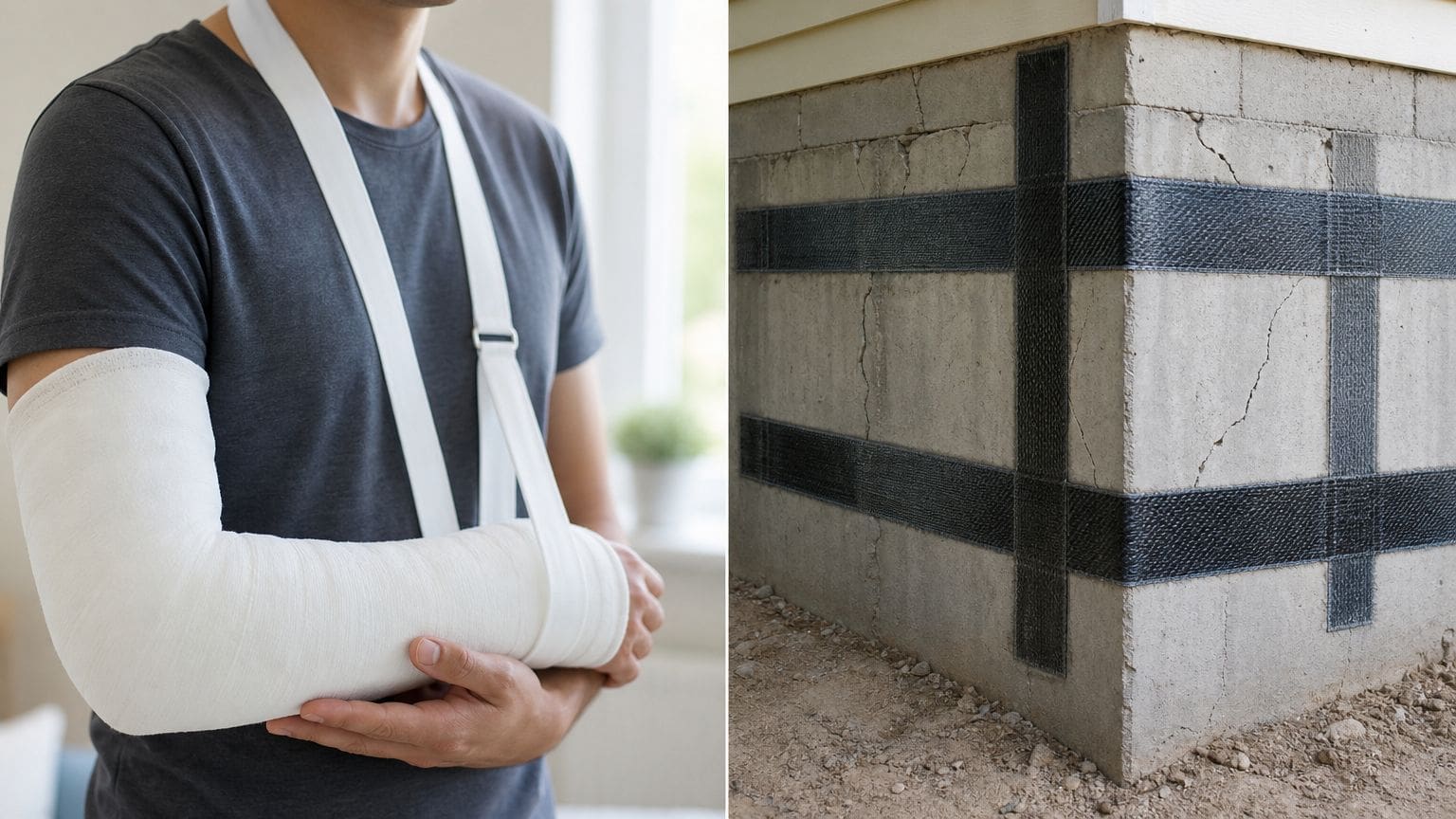
The easiest way to picture it is a cast on an injured arm. The cast doesn't turn back time. It doesn't make the break disappear overnight. It holds things steady so the damage doesn't keep getting worse.
A carbon fiber strap works in a similar way on the inside face of a wall. The installer prepares the wall surface, applies a structural epoxy, and bonds the strap in place. Once cured, the strap helps the wall resist tension. That matters because a bowing wall is being pushed inward by soil and moisture outside.
This material is used because it is very strong when pulled. One industry source says carbon fiber straps used for wall reinforcement have a typical tensile strength of about 195,000 psi, with some systems reaching over 360,000 psi, making the material pound-for-pound stronger than steel, according to this carbon fiber reinforcement overview.
Why strength in tension matters
Concrete and masonry walls are good at carrying compression. They are not as good at handling the kind of flexing and tension that shows up when outside pressure pushes the middle of a wall inward. Carbon fiber helps by acting like a strong external restraint on the interior side of the wall.
That doesn't mean the straps “push” the wall back into place. Homeowners often get confused on that point. In most cases, carbon fiber is used to arrest movement, not to reverse obvious displacement.
A simple way to think about it:
The wall carries the building and resists outside pressure.
The epoxy bond connects the strap to the wall.
The carbon fiber adds tension resistance so the wall is less likely to keep bowing inward.
If any one of those parts is weak, the whole system is weaker than it looks on paper.
Practical rule: Carbon fiber is a reinforcement system, not a magic reset button. It works best when the wall is still worth saving and the pressure problem is understood.
For Texas homes, that last point matters. In clay-heavy areas, the wall problem and the drainage problem often travel together. A strap can strengthen a wall, but a homeowner may still need drainage work, grading corrections, or other foundation repairs elsewhere on the house.
When Is Carbon Fiber the Right Solution for Your Walls
The right wall for carbon fiber usually has damage that is serious enough to need structural attention, but not so far gone that the wall has lost its basic integrity.
Good candidates for carbon fiber
A common example is a poured concrete or block wall with a horizontal crack near the middle, or a wall with mild inward bowing caused by lateral soil pressure. Engineered carbon fiber systems are most effective on walls with about 2 inches or less of inward bowing. The system works by resisting tension to arrest movement, so it's best for walls that are still sound but under lateral pressure, as noted in this discussion of carbon fiber straps for foundation walls.
In practical terms, carbon fiber is often considered when a homeowner sees signs like these:
A horizontal crack across a basement or crawl-space wall
A slight inward curve at the center of the wall
A single pressure event where the wall moved, but doesn't appear to be rapidly worsening
A wall that still feels solid rather than loose, crumbling, or broken apart
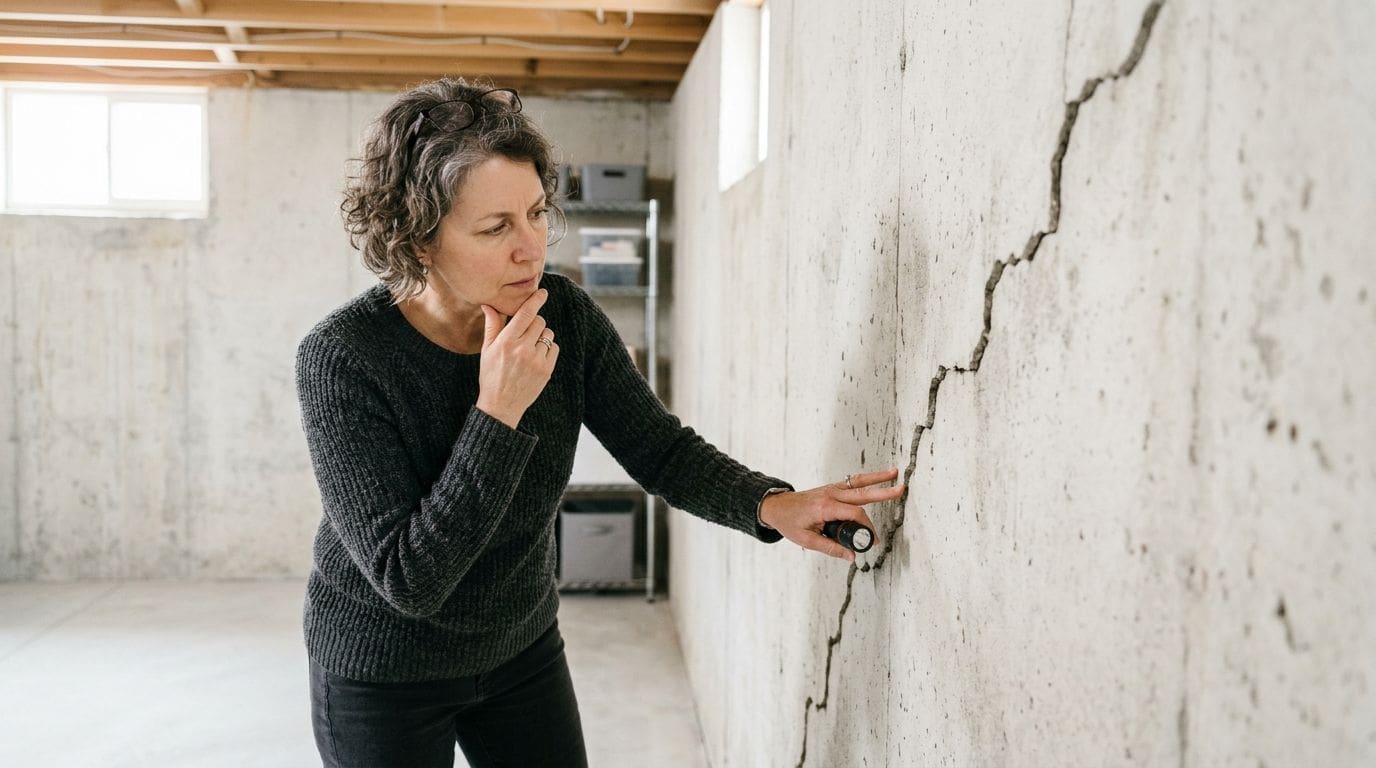
Texas soil behavior makes this especially relevant. Expansive clay can swell after rain, then shrink in dry stretches. That cycling can put repeated side pressure on certain walls. Homeowners who want a broader engineering view of how professionals think about soil behavior and support systems may find this overview of design for complex ground infrastructure helpful as background reading.
When it is not the right fit
Carbon fiber isn't the best answer for every wall. If the wall is severely bowed, actively moving, crumbling, or losing material, the problem may require a more aggressive structural approach.
A homeowner should be cautious if any of these are present:
Ongoing movement
If the bow seems to be increasing, the wall may need a system that provides more active restraint.Heavy moisture pressure
If water is still loading the wall from outside, reinforcement alone may not be enough.Surface damage or weak substrate
Carbon fiber depends on a good bond to the wall. Loose material, failing masonry, or poor surface condition can limit performance.
A strong strap bonded to a weak wall is still attached to a weak wall.
That's why contractors should look at the wall itself, not just the crack. In Dallas and San Antonio, a good evaluation also considers drainage, yard slope, seasonal soil movement, and whether another repair method would fit the wall's movement pattern better.
Carbon Fiber vs Other Foundation Wall Repair Methods
Homeowners usually hear about three common categories for a bowing wall: carbon fiber straps, steel beams, and wall anchors. Each has a place. The best choice depends on how the wall is moving and what the repair needs to accomplish.
Comparing Wall Reinforcement Methods
Some repairs are meant to stabilize a wall where it is. Others are meant to provide stronger mechanical restraint against continued pressure. That difference matters more than marketing language.
While carbon fiber excels at reinforcing against further movement, wall anchors are designed to mechanically resist inward movement and can be periodically tightened. The choice depends on whether the goal is to stabilize the wall's current position or provide active restraint against ongoing soil pressure, as described in this guide to carbon fiber versus wall anchors.
| Feature | Carbon Fiber Straps | Steel I-Beams | Wall Anchors |
|---|---|---|---|
| Main job | Reinforce the wall against further inward movement | Brace the wall from the inside | Mechanically restrain the wall against continued soil pressure |
| Best fit | Walls with limited bowing that are still structurally sound | Walls needing a more robust interior brace | Walls where ongoing pressure calls for direct restraint |
| Profile inside the home | Low profile | Bulkier than straps | Hardware-based system with interior and exterior components |
| Effect on finished space | Usually easier to conceal | More visible in the room | Depends on layout and anchor locations |
| Movement correction | Usually meant to stop further movement, not pull the wall back | Depends on design | Can provide active restraint and periodic adjustment |
| Outside access needs | Interior-focused install | Interior-focused bracing | Requires room outside for anchor placement |
For homeowners comparing options, this page on common foundation repair methods can help place wall reinforcement in the larger picture of slab repair, pier and beam repair, soil work, and drainage corrections.
The moisture question homeowners should ask
A carbon fiber strap may be strong, but the whole system still depends on bond and wall condition. In one technical discussion citing ACI guidance, carbon-fiber-reinforced polymer use on moisture-exposed surfaces is flagged as a durability concern, and the same discussion reports a 33% reduction in load-bearing capacity for CFRP-reinforced concrete and masonry when exposed to moisture versus dry conditions. That same discussion also emphasizes checking existing reinforcement placement, concrete strength, and adhesion or bond tests before relying on CFRP as a structural solution, according to this technical discussion on carbon fiber on basement walls.
That doesn't mean carbon fiber should never be used in damp conditions. It means a homeowner should ask smarter questions. If the wall gets wet, how wet? Is the surface stable enough for bonding? Has the source of pressure or moisture been addressed?
Some walls need reinforcement. Some need moisture control first. Some need both.
A balanced contractor won't force every wall into the same repair method. That's usually the clearest sign that the recommendation is based on wall behavior, not on sales convenience.
The Installation Process What to Expect
Most homeowners feel better once they know what happens on repair day. Carbon fiber installation is usually cleaner and less bulky than people expect.
What happens before the straps go on
The first step is inspection and layout. The contractor checks the amount and pattern of wall movement, crack location, wall material, and the condition of the surface where the straps will bond. If the wall isn't a good candidate, that should be clear before any grinding or epoxy starts.
After that, the wall surface gets prepared. This often means grinding the wall smooth and removing paint, dust, loose debris, or anything else that could weaken the bond.
What the actual install looks like
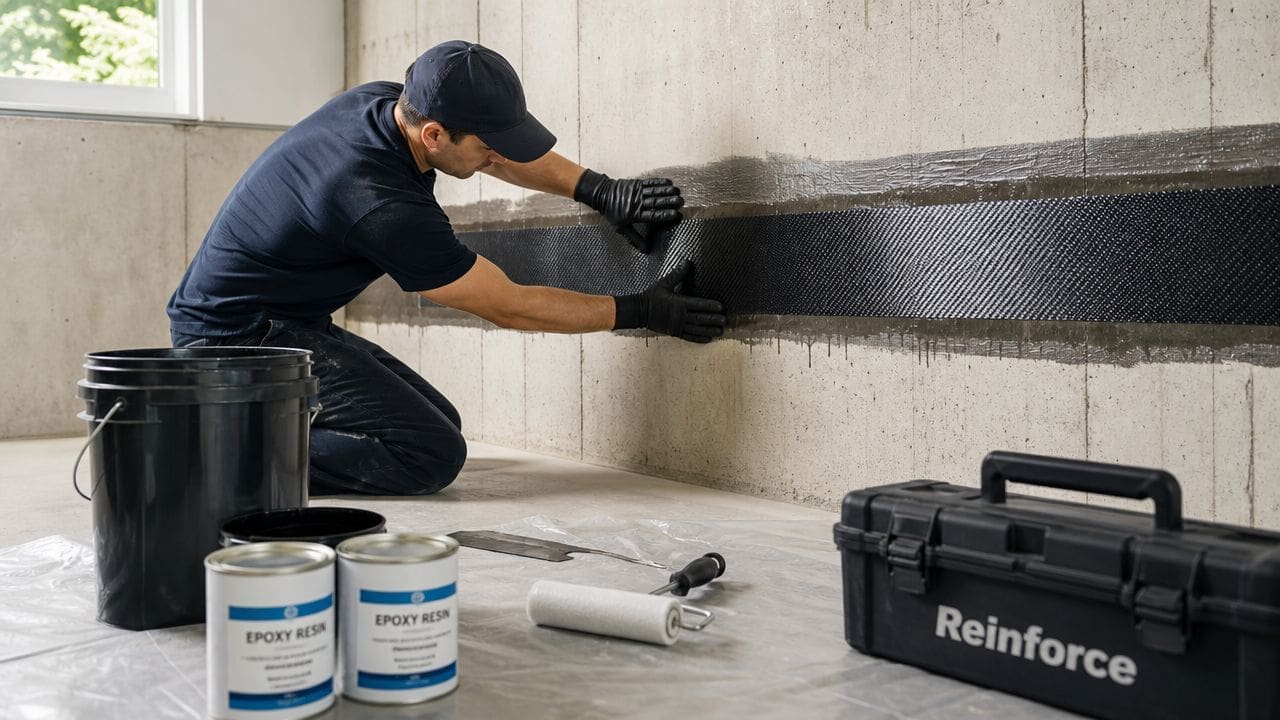
Once the wall is ready, the installer applies the structural epoxy and sets the carbon fiber straps in their planned positions. The spacing depends on the wall length, the bow pattern, and the severity of movement. The crew then presses the straps into place carefully so the bond is consistent from top to bottom.
A homeowner can usually expect a sequence like this:
Surface prep
Grinding and cleaning the wall so the epoxy can bond properlyEpoxy application
Applying the adhesive system to the prepared wallStrap placement
Setting the carbon fiber straps where the engineer or repair design calls for themFinishing coat
Covering or sealing the installed system as specifiedCure time
Allowing the bond to set before the wall is disturbed or covered
The process is usually interior-based, which helps avoid major disruption in the yard. In many homes, the biggest nuisance is temporary dust and work area access, not major demolition.
Homeowners should pay close attention to preparation. The visible strap is only part of the repair. The unseen surface prep and bond quality often decide whether the system performs well.
In Texas homes, repair crews may also recommend pairing the wall repair with drainage improvements or other foundation measures if outside conditions still put stress on the structure.
Cost and Lifespan of Carbon Fiber Straps
For most homeowners, the cost question comes early, and that's reasonable. Foundation work is never just a line item. It affects safety, resale, and peace of mind.
What affects the final price
One industry pricing benchmark estimates carbon fiber straps at $725 to $800 each, and a 24-foot wall may need 5 straps, putting the total installed cost in the $3,625 to $4,000 range, according to the earlier carbon fiber source already cited in this article.
That number is a starting point, not a universal quote. Final pricing usually changes based on the wall's condition and layout.
A contractor may adjust the plan based on:
Wall length
Longer walls often need more strapsSeverity of bowing
More movement can change spacing and designSurface preparation needs
Painted, damaged, or uneven walls may require more prepWall material and access
Installation can get more involved if access is tight or the substrate needs extra attention
Why homeowners often view it as a long-term repair
Carbon fiber is appealing partly because it doesn't bring the same bulky profile that some older wall systems do. It also doesn't rust like exposed steel can. For the right wall, installed the right way, homeowners often treat it as a permanent stabilization method.
Still, the lifespan of the system depends on more than the strap itself. It depends on whether the wall was a good candidate, whether the bond was prepared properly, and whether outside pressure is still being allowed to build. If drainage problems remain, even a well-installed reinforcement system may be carrying a burden that should have been reduced first.
That's why cost should be framed as repair plus diagnosis, not just material plus labor. A cheaper price on the wrong wall can cost more later than a better-scoped repair done once.
Choosing a Contractor in the Dallas San Antonio Area
Carbon fiber can be a good method. It can also be oversold. The difference often comes down to the contractor's judgment and inspection process.
Questions worth asking before signing anything
Homeowners in Dallas and San Antonio should ask direct questions and listen for direct answers. A trustworthy contractor should be able to explain why carbon fiber is being recommended instead of another option.
Some useful questions include:
How much inward movement is present
The answer should be based on measurements, not guessesIs the wall still structurally sound enough for this method
Carbon fiber is not a substitute for a failing wallWhat surface preparation is required
Bond quality matters as much as the strapHas the contractor evaluated drainage or outside pressure sources
The wall repair and the site conditions should be discussed togetherWhat warranty backs the work
The wording and backing behind the warranty matter
Homeowners in South Texas who are comparing repair approaches may want to review Advanced Foundation Repair's San Antonio expertise to see what region-specific foundation conditions and repair needs can look like.
Why warranty backing matters in Texas
Texas soils are hard on homes. A repair company's promise should be as solid as the repair itself.
That's one reason warranty backing matters so much. Advanced Foundation Repair is the only foundation repair company in Texas backed by the Texas Foundation Warranty Trust, which protects customers even if the company ever closes. For a homeowner making a major structural decision, that kind of backup means the warranty isn't just words on paper.
A strong inspection process matters too. A contractor should be looking at wall movement, drainage, slab or pier-and-beam conditions elsewhere on the home, and signs that expansive clay may be affecting multiple parts of the structure.
Frequently Asked Questions About Carbon Fiber Repair
Can the straps be covered or painted
In many cases, yes. Carbon fiber straps are low profile, which is one reason homeowners like them for finished or partly finished areas. A contractor can explain what finish options are appropriate after installation and cure.
Is this a DIY job
It shouldn't be treated like one. The challenge isn't just sticking material to a wall. The critical work is evaluating whether the wall is a proper candidate, preparing the substrate correctly, and making sure the bond and layout fit the structural problem.
A strap installed on the wrong wall, or bonded to a poorly prepared surface, may look fine while doing much less than the homeowner thinks.
Does fixing the wall also fix the water problem
No. Wall reinforcement and water control are related, but they aren't the same repair. If outside water, drainage trouble, or soil expansion is still creating pressure, those issues should be addressed too.
For many Texas homes, a complete plan may include one or more of these:
Drainage improvements to move water away from the home
Soil management where expansive clay is contributing to movement
Root barriers if nearby trees are drying out soils unevenly
Other foundation repairs if the wall issue is part of a larger structural pattern
Will carbon fiber straighten a bowed wall
Usually, homeowners should think of carbon fiber as a way to stop further movement, not as a method that pushes a wall back into perfect alignment. If a wall needs active restraint or correction, another repair type may fit better.
Is carbon fiber only for basements
No. It is commonly discussed for basement and crawl-space walls, but the larger idea is wall stabilization where the wall material, movement pattern, and bond conditions make the system appropriate. In Texas, not every home has the same foundation layout, so the repair has to match the actual structure.
What matters most before choosing this repair
The wall's condition. More specifically, whether the wall is still sound, whether movement is ongoing, and whether moisture or drainage conditions are still loading the wall.
The best repair method is the one that matches the wall's real problem, not the one with the best sales pitch.
Homeowners in Dallas, San Antonio, and surrounding Texas communities who are seeing wall cracks, bowing, uneven floors, drainage trouble, or other foundation warning signs can contact Advanced Foundation Repair to schedule a free inspection. The company repairs existing foundations, including slab foundation repair, pier and beam repair, soil injection, drainage solutions, and root barriers. Advanced Foundation Repair is also the only foundation repair company in Texas backed by the Texas Foundation Warranty Trust, which helps protect customers even if the company ever closes.