

A structural engineer's foundation inspection in Texas typically costs $500 to $1,500 when the job includes a written diagnosis and repair recommendations, and the price moves up or down based on the home's size, complexity, and how detailed the report needs to be. For a worried homeowner in Dallas or San Antonio, that means the fee isn't just for someone to look at cracks. It's for a professional opinion that can affect repairs, a sale, or lender paperwork.
That's usually the moment people start searching. A crack shows up over a door. The floor feels a little off. One window suddenly won't close right. The main question isn't complicated. It's, “How serious is this, and what's it going to cost to figure out?”
The good news is that the inspection side is more predictable than commonly anticipated. The confusing part is that homeowners are often comparing two very different things. One is a paid engineer's report. The other is a free repair-company inspection. Both can be useful, but they are not the same service, and they are not meant for the same situation.
Table of Contents
- Why You Might Need a Structural Engineer Inspection
- What a Structural Engineer Actually Looks For
- Key Factors That Change Your Inspection Cost
- Sample Foundation Inspection Cost Estimates in Texas
- How to Save Money and Evaluate Proposals
- Your Next Steps and Foundation FAQs
Why You Might Need a Structural Engineer Inspection
You spot a crack over the garage in July, then a sticking back door after a hard Texas dry spell. That is usually when this question shows up. Do I need a structural engineer, or do I need a foundation company to tell me what is going on?
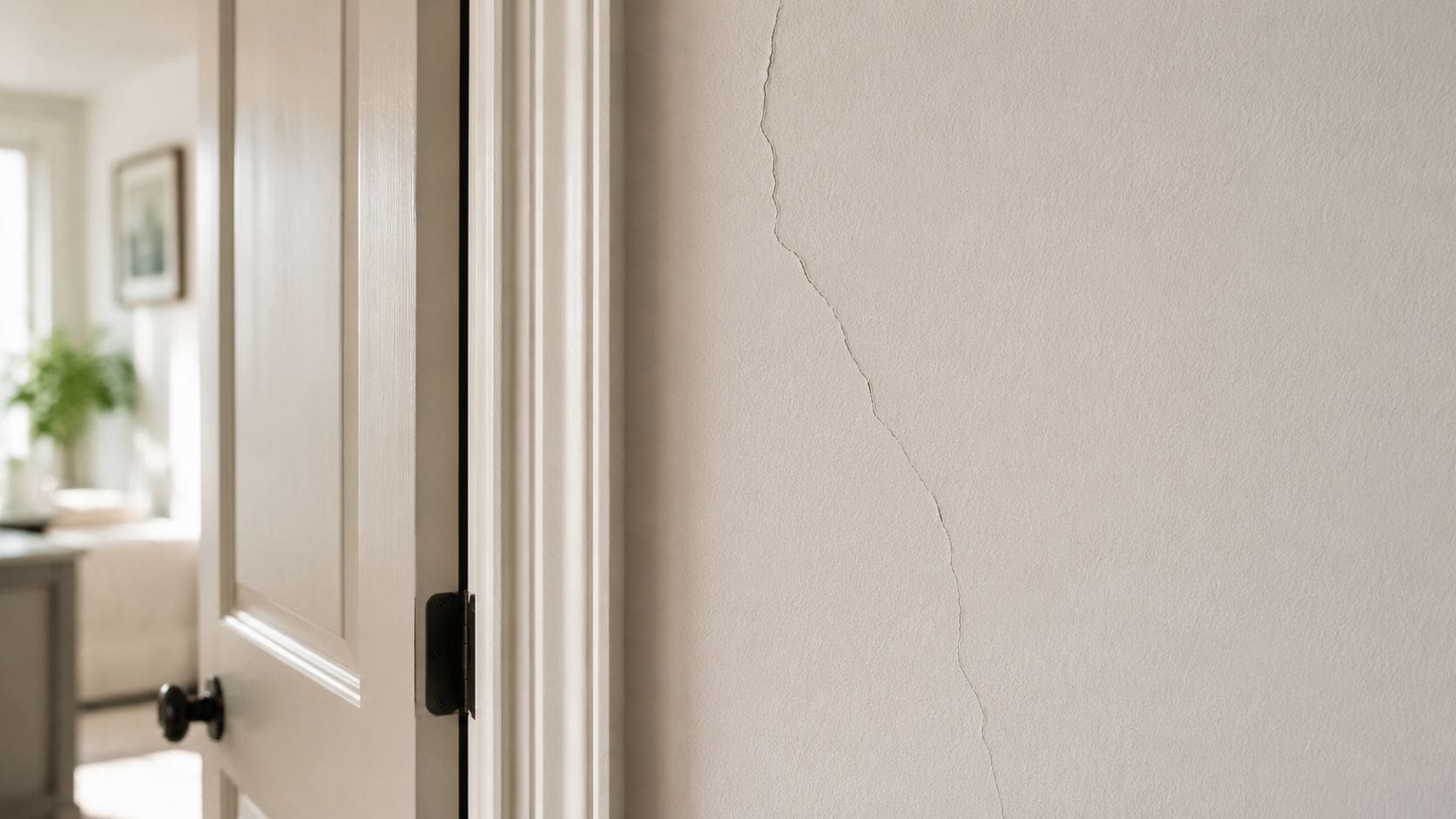
In Dallas and San Antonio, that question comes up all the time because our clay soils and drainage problems can make normal seasonal movement look scary. Some houses need monitoring. Some need drainage work. Some need foundation repair. A few need a licensed engineer's written opinion because there is a sale, lawsuit, lender request, or insurance dispute tied to the house.
Here is the practical split.
- Paid engineer report: Get this when someone needs formal documentation. That includes a buyer, seller, lender, attorney, or insurance carrier. You are paying for an independent professional opinion in writing.
- Free company inspection: Start here when you want to know whether the problem points to repair, drainage correction, or simple observation over time. A good inspection can answer that first question without paying engineering fees too early.
My advice is simple. If paperwork is driving the decision, hire the engineer. If you are trying to figure out whether the house needs repair, start with a detailed inspection from a foundation specialist.
That first step saves people money all over North Texas. A cheap quote isn't a bargain if it only covers a glance and leaves the homeowner paying again for a complete report later. You want someone to inspect the symptoms carefully, explain the likely cause in plain English, and tell you whether an engineer is warranted.
If you want a clear picture of what a quality company visit should include, review Advanced Foundation Repair's inspection details. It helps homeowners separate a serious evaluation from a quick sales stop.
Cracks are usually what trigger the whole process. Some are cosmetic. Some are early warning signs. Homeowners who are unsure should read what to know about foundation cracks before deciding how urgent the problem is.
What a Structural Engineer Actually Looks For
A structural engineer doesn't just walk in, point at a crack, and say the foundation is bad. The engineer is trying to figure out why the movement happened, whether it's active, and what kind of fix matches the problem.

It's diagnosis, not just observation
The simplest way to think about it is medical. A regular inspection spots symptoms. An engineer is hired to diagnose the cause before anyone prescribes treatment. That's why the structural engineer foundation inspection cost is higher than a basic walk-through.
A structural engineer foundation inspection is usually billed as a time-based professional service. Consumer guidance notes $100 to $500 per hour, with the on-site portion often taking 1 to 2 hours for an accessible foundation and 1 to 3 hours when the house is larger or more complex, according to consumer guidance on structural engineer foundation inspection pricing.
That time isn't wasted. It's where the engineer gathers enough information to issue a defensible opinion.
What gets checked around the house
The engineer usually studies several clues at once, not just one dramatic crack.
- Floor elevation changes: Uneven floors can point to settlement patterns or support trouble.
- Crack location and direction: A vertical interior crack means something different from stair-step brick cracking.
- Door and window behavior: Racking, sticking, and uneven gaps can show movement across the structure.
- Drainage around the home: Water control matters. Poor runoff often adds stress to already-sensitive soil.
- Load paths: The engineer checks how the weight of the house moves through walls, beams, and supports down to the foundation.
- Access conditions: Crawl spaces, tight perimeters, and blocked areas make the inspection more involved.
Some homeowners want to see what a professional inspection process looks like before booking one. Advanced Foundation Repair's inspection details give a good sense of how a thorough visit is carried out.
The engineer is not selling a repair at that moment. The engineer is selling judgment.
That's why the report carries weight. A formal engineering opinion can be used to guide bids, support negotiations, or document that a condition is stable enough to monitor.
Key Factors That Change Your Inspection Cost
Two homeowners can both say, “There's a crack in the wall,” and still get very different prices. That's normal. The final fee depends on the house, the access, and the kind of answer needed.
House size and foundation type
Bigger houses take longer to evaluate. More perimeter, more rooms, more elevation points, and more structure mean more inspection time.
Published consumer pricing shows that for a standard foundation inspection, costs usually range from $300 to $800, while a licensed structural engineer's written report can raise that to $500 to $1,500. The same guidance says a 1,000-square-foot home might cost $300 to $500 to inspect, while a 2,500-square-foot home could reach $1,000, according to consumer foundation inspection cost data from Angi.
Foundation type changes the job too. A simple slab home is usually easier to review than a pier and beam house with tight crawl-space access, older framing, or moisture under the home. In Texas, especially in older San Antonio neighborhoods, that difference can be real.
How complicated the problem looks
Not every inspection is a quick visual check. If the home has multiple additions, signs of active movement, severe cracking, drainage trouble, or movement across more than one level, the inspection gets deeper and the report gets longer.
That's where cost starts climbing fast. The engineer may need to spend more time tracing movement patterns, looking at supports, and deciding whether the issue is isolated or part of a broader structural shift.
A cheap quote isn't a bargain if it only covers a glance and leaves the homeowner paying again for the real report later.
What kind of report is needed
This point gets missed all the time. Homeowners ask for an “inspection” when what they really need is a document for a transaction, a permit issue, or repair design. Those are different deliverables.
A short site visit with verbal feedback is one thing. A written report with technical findings and recommendations is another. A stamped engineering letter often carries more weight because the engineer is accepting professional liability for the opinion.
That extra responsibility is one reason the written engineering version costs more than a basic inspection.
Access and travel
The harder the foundation is to reach, the less predictable the final cost becomes. Crawl spaces, heavy landscaping near the perimeter, interior finishes that hide clues, and slab-on-grade limitations can all add time.
Travel can matter too, especially outside core service areas. A straightforward home in Dallas with open access is simpler to inspect than a larger property outside San Antonio with additions, drainage problems, and limited crawl-space entry.
A homeowner doesn't need to overthink this. The practical question is simple: is the property easy to inspect, or does the engineer have to work to even see the problem clearly?
Sample Foundation Inspection Cost Estimates in Texas
Abstract numbers are useful, but they don't always help a worried homeowner place their own house on the map. A few Texas-style examples make the range easier to understand.
One pricing guide estimates that larger or diagnostically difficult foundation inspections can run roughly $0.50 to $2 per square foot, which means a 2,000-square-foot home could cost $1,000 to $4,000 when the scope goes well beyond a quick visual review, according to this foundation inspection cost guide. That upper end usually shows up when the engineer has to evaluate movement patterns, drainage influence, and structural load paths in more detail.
A Dallas-area homeowner with a smaller slab home and a few minor symptoms usually lands far below that kind of complex-scope pricing. A San Antonio homeowner with an older pier and beam home, noticeable floor slope, and access challenges may land much closer to the upper side.
Sample Structural Engineer Inspection Costs in Texas 2026 Estimates
| Inspection Scenario | Property Details | Estimated Cost Range |
|---|---|---|
| Dallas slab home with limited symptoms | Smaller home, accessible foundation area, minor visible cracking, standard written engineer report | $500 to $1,500 |
| San Antonio pier and beam home with floor slope | Larger or older home, crawl-space access, sticking doors, more detailed diagnostic review | Upper end of $500 to $1,500, or more if scope expands |
| Larger Texas home with multiple additions | Complex layout, active-looking movement, broader structural review | Could move into a square-foot pricing model |
| Diagnostically difficult property | Roughly 2,000 square feet, deeper analysis of load paths, drainage, and movement patterns | $1,000 to $4,000 |
That table isn't meant to scare anyone. It's meant to stop homeowners from comparing unlike situations. A straightforward inspection and a highly detailed engineering analysis are not the same job.
For homeowners dealing with common local warning signs, it helps to review practical solutions for Dallas Fort Worth foundation problems before deciding how far they need to go on the engineering side.
How to Save Money and Evaluate Proposals
The smartest way to save money is not hunting for the lowest engineering fee. It's avoiding the wrong service at the wrong time.
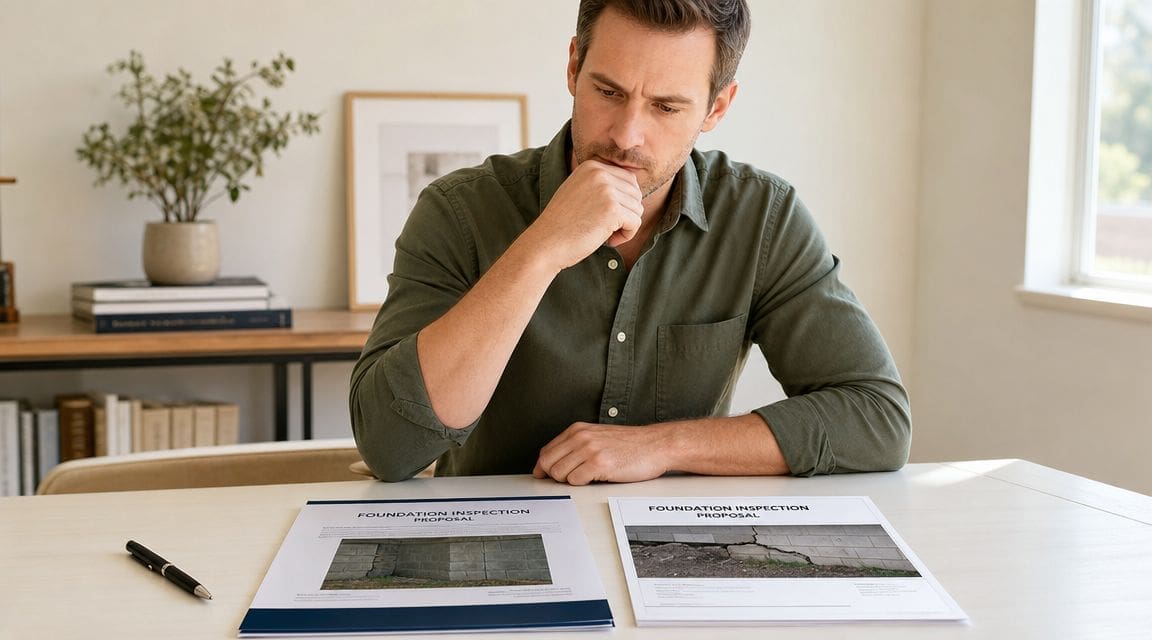
Start with the right first step
If a homeowner is not in the middle of a sale, lender demand, or legal dispute, paying for an engineer first often isn't necessary. It can make more sense to start with a precise foundation inspection from a repair specialist, then decide whether an engineer's stamped report is still needed.
Advanced Foundation Repair offers a free precise inspection valued at $300, which can help homeowners sort out whether the issue points toward slab foundation repair, pier and beam repair, soil injection, drainage solutions, or root barriers before paying for engineering documentation. That's a practical first step for many Texas homes dealing with movement symptoms.
Money-saving move: Pay for formal engineering only when the situation actually requires formal engineering.
That doesn't mean free inspections and engineer reports are interchangeable. They aren't. It means a homeowner should match the service to the goal.
How to compare proposals without getting fooled
A low number on paper can hide missing pieces. Homeowners should compare scope, not just price.
- Check what's included: Does the fee cover only the site visit, or also the written report?
- Ask about the deliverable: A verbal opinion is useful, but it won't satisfy every buyer, lender, or agent.
- Look for repair clarity: If repair work is proposed, the recommendation should connect to the actual symptoms.
- Review warranty terms: A repair proposal matters more when the warranty is transferable and durable.
- Pay attention to drainage: A contractor who ignores water control may be planning a partial fix.
Some proposals also mix cosmetic observations with structural ones. That muddies the decision. The homeowner needs a clear answer to two questions. Is the movement active enough to justify repair? If yes, what repair scope fits the problem without overspending?
When those answers are clear, the pricing conversation gets much easier.
Your Next Steps and Foundation FAQs
You notice a new crack by the living room window, one door starts rubbing, and now you have to decide whether to call an engineer or a repair company first. That decision matters in Texas, because the right first step can save you time, money, and a lot of second-guessing.

Next steps
Start with the house, not the paperwork. Walk the interior and exterior and write down what changed, where it changed, and when you first noticed it. Photos help. So do notes about doors, windows, tile cracks, trim gaps, and sloping floors.
Water comes next. In Dallas and San Antonio, drainage problems and inconsistent soil moisture are often tied to movement. If gutters dump water near the slab, or if runoff pools along the house, fix that issue fast. Homeowners who want a simple overview can read Hail King Professionals on gutter importance.
Then choose the inspection based on your goal.
- Use a free company inspection if you want repair guidance, a diagnosis of common movement symptoms, and a practical recommendation on what to do next.
- Pay for an engineer's report if you need formal documentation for a real estate sale, a buyer or seller dispute, legal support, or another situation where an independent stamped opinion carries weight.
- Ask for clear findings in plain language. You should understand whether the house needs monitoring, drainage correction, repair, or no action yet.
- Compare scope, not just price. One quote may include only a visit. Another may include measurements, elevation readings, and a written report.
That distinction matters. A paid engineer's report and a free repair-company inspection serve different purposes. Treating them as the same service is how homeowners overspend.
Common questions
Does every crack mean I need a structural engineer?
No. Many cracks do not call for formal engineering. If the issue looks minor and you mainly need honest repair guidance, start with a reputable foundation company inspection. If the findings are unusual, disputed, or tied to a sale, then bring in an engineer.
Is inspection cost separate from repair cost?
Yes. Inspection fees cover evaluation and, if included, a written report. Repair is a separate job with its own scope and price.
Why does a stamped engineering report cost more?
Because the engineer is not just giving an opinion. The engineer is putting professional responsibility behind that report. That added liability, along with the written documentation, is why the price is higher than a free inspection from a repair company.
What is the smartest first call for a Texas homeowner?
If you are in Dallas, San Antonio, or another Texas market and you are not in the middle of a transaction, start with a reputable foundation inspection from a repair company. Get the symptoms reviewed. Get a clear recommendation. Then pay for engineering only if the situation calls for formal documentation.
If you want a straightforward inspection and a clear next step, contact Advanced Foundation Repair and request an inspection.
Homeowners in Dallas, San Antonio, and across Texas who are seeing cracks, uneven floors, or drainage-related movement should call Advanced Foundation Repair or schedule a free inspection. The company repairs existing foundations, provides clear recommendations, and is the only foundation repair company in Texas backed by the Texas Foundation Warranty Trust, which helps protect customers even if the company ever closes.